

Most business owners can point to a moment when something felt off. Maybe your website doesn’t match your social media anymore. Maybe new customers keep asking what you actually do, even after you’ve explained it twice. Maybe your logo still says “startup” even though you’ve outgrown that stage years ago.
These aren’t small annoyances. They’re signs that your brand hasn’t kept up with your business. This guide explains what a branding agency actually does, how it’s different from hiring a freelancer or building an in-house team, and when it’s the right time to bring one in.

What Is a Branding Agency?
A branding agency is a team that helps a business define its identity. Then they build the visuals and words around that identity. This includes brand strategy, visual identity (logo, colors, type), messaging, and often the website or packaging that carries the brand out into the world.
It’s easy to confuse this with plain graphic design. The real difference is where the work starts. A branding agency starts with research: who you’re for, what you stand for, and how you’re different from competitors. Design comes after. It’s the visible result of that thinking, not the starting point.
What a Branding Agency Actually Does
Most branding projects follow a similar order, even if the exact steps change by agency:
- Discovery and audit — understanding your business, customers, and current brand perception
- Brand strategy — defining purpose, positioning, and target audience
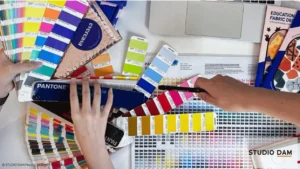
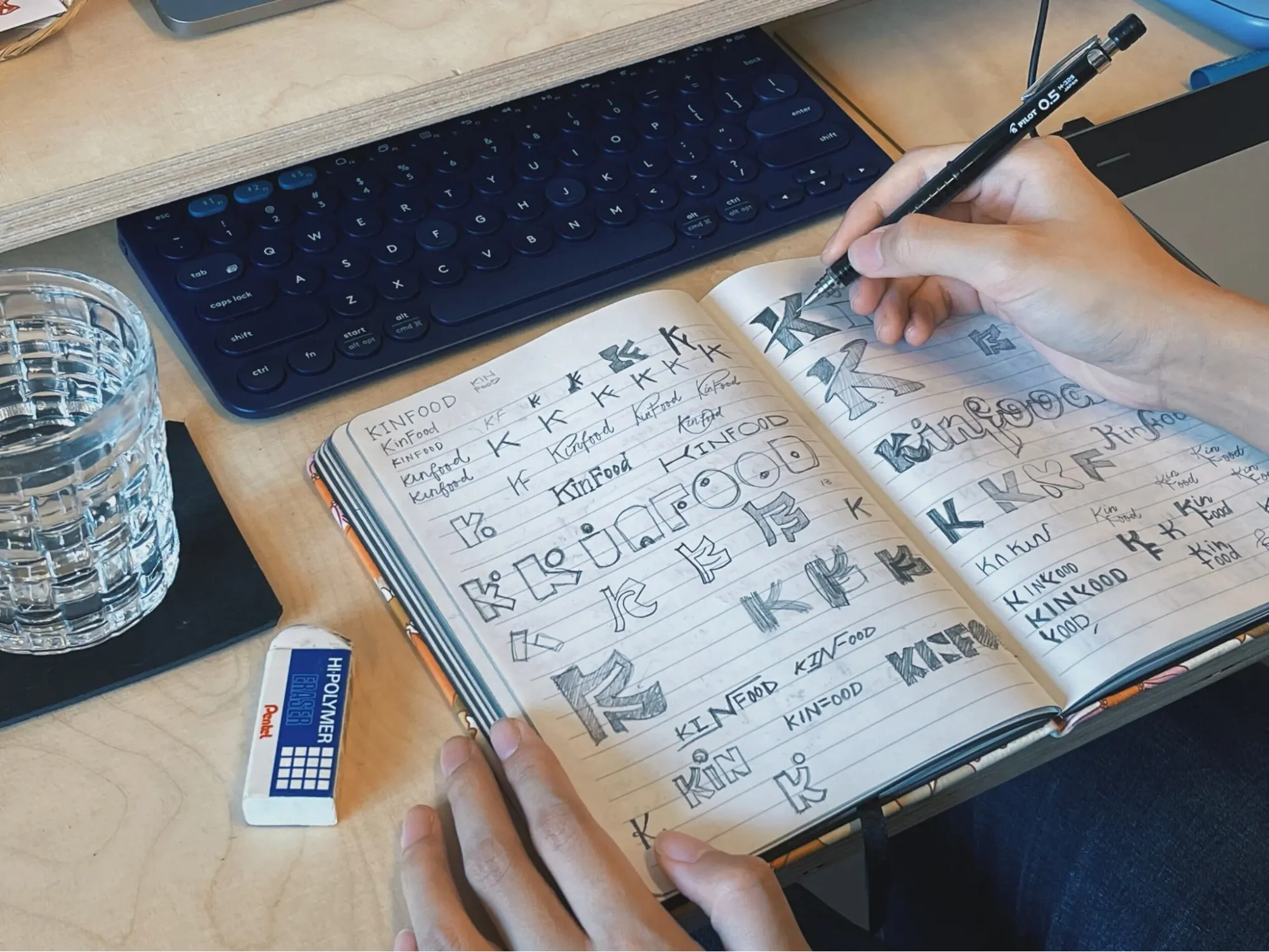
- Visual identity — logo, color palette, typography, and brand guidelines
- Messaging and voice — tone, taglines, and core messaging pillars
- Application — rolling the identity out across your website, packaging, signage, and marketing materials
Some agencies also handle the digital work: website design, social templates, and ongoing marketing support. Others hand off the finished brand identity. Then your team or other vendors take it from there.
Singapore’s SME Landscape: Why This Decision Matters
Singapore’s business environment is dominated by small and medium enterprises. Understanding the scale helps explain why branding often gets pushed aside, and why it eventually catches up with growing businesses.
| SME Statistic (Singapore, 2024) | Data Point |
|---|---|
| Total SMEs with fewer than 200 workers | 356,600 |
| SMEs employing fewer than 25 workers | 337,700 (94.7%) |
| SMEs employing 25–49 workers | 10,900 (3.1%) |
| SMEs employing 50–99 workers | 5,400 (1.5%) |
Source: Ministry of Manpower Singapore, based on data from Enterprise Singapore and the Singapore Department of Statistics.
The numbers tell a clear story. Most Singapore businesses start small, often without a formal brand identity. That’s normal in the early stages.
The problem shows up later. A business tries to scale, raise prices, or expand into a new market. But the brand still looks like it belongs to a smaller, less established company.
Branding Agency vs. Freelancer vs. In-House Team
Not every business needs a full agency right away. Here’s how the three common options actually compare.
| Aspect | Freelance Designer | In-House Hire | Branding Agency |
|---|---|---|---|
| Strategic depth | Usually design-only, limited strategy input | Depends on the individual’s experience | Strategy-led, backed by a full process |
| Range of skills | Narrow (often just visual design) | Narrow to moderate | Broad: strategy, design, copywriting, web |
| Speed to scale | Fast for small tasks, slow for full rebrands | Limited by one person’s bandwidth | Built to run multi-part projects in parallel |
| Typical cost structure | Lowest upfront cost | Fixed salary, ongoing overhead | Project-based, higher upfront investment |
| Best fit for | Small, one-off design tasks | Businesses with steady, ongoing design needs | Full rebrands, launches, and strategic repositioning |
There’s no single “right” choice for every business. A freelancer might be perfect for a quick logo refresh. An in-house hire makes sense once you have steady, ongoing design needs. A branding agency is worth the cost when the brand itself, not just the visuals, needs to be rebuilt from scratch.
Signs It’s Time to Bring In a Branding Agency
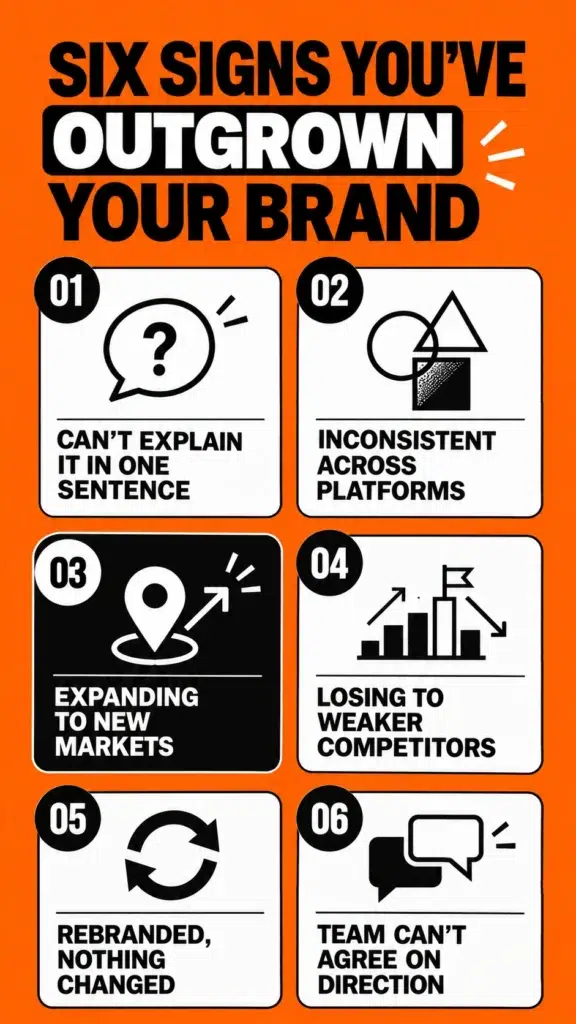
A few patterns tend to show up when a business has outgrown its current brand:
- You can’t explain what you do in one sentence. If your team gives different answers when asked what the business does, that’s a positioning problem, not a communication problem.
- Your brand looks inconsistent across platforms. Different fonts, colors, or tones on your website, Instagram, and packaging quietly hurt customer trust.
- You’re expanding into a new market or audience. What worked for your first customers may not work for a new group or country.
- Competitors with weaker products are winning more business. Often, this comes down to positioning, not product quality.
- You’ve rebranded before, but nothing really changed. A quick refresh without real strategy just repeats the same problem in new colors.
- Your team can’t agree on brand direction. If people disagree about tone or visuals, it usually means there’s no clear strategy written down.
None of these signs alone means you need an agency tomorrow. But two or three showing up at once is a strong signal. The brand needs real work, not another quick fix.
Why This Matters More in Singapore’s Market
Singapore is a small, dense market where businesses in the same category are often standing next to each other, literally and online. A few local factors raise the stakes:
- Limited market size. With fewer customers than in bigger economies, standing out matters more.
- A multicultural, multilingual audience. A brand that works for one group in Singapore may not work for another, unless it’s built with that range in mind.
- Grant support exists. Enterprise Singapore’s Enterprise Development Grant can help fund brand strategy work for eligible SMEs. This makes it easier to afford a professional agency instead of a DIY approach.
Research backs this up too. Marq’s State of Brand Consistency Report surveyed more than 400 brand management professionals. It links consistent branding to 10–20% average revenue growth. A branding agency’s core job is making sure that consistency actually happens everywhere customers see you.
What Working With an Agency Looks Like in Practice
A local business grows from a single location to several over a few years. The original logo, created quickly at launch, no longer matches the level of the business it’s become. Customers sometimes describe it as feeling “cheaper” than what’s actually on offer, which quietly limits how much the business can charge.
The real problem is rarely just the visuals. Often, the brand was never clearly defined: who it’s for, or what makes it different from bigger competitors. That’s where a branding agency starts, not with a new logo, but with strategy and positioning. Visual identity follows once that’s clear.
Pinch Bakehouse, a halal-certified, allergen-friendly bakery affiliated with Bob the Baker Boy, is a real example of this in action.
In gourmet pastry, “inclusive” often gets read as a compromise. Think dry textures, plain designs, and packaging that feels clinical instead of celebratory. Pinch wanted to prove something different. A bakery built around dietary safety, free from nuts, eggs, and dairy, could still feel premium, gourmet, and giftable.
STUDIO DAM didn’t start with a logo. The project started with brand strategy. They positioned Pinch around a “Radical Inclusion” idea, with a voice that’s sophisticated but warm. Instead of treating halal certification and allergen-friendly baking as limitations, the strategy made them the brand’s biggest strength.
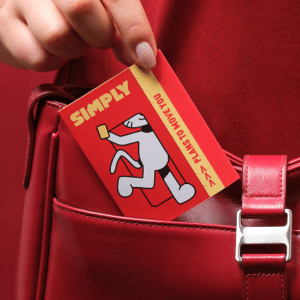
That positioning shaped everything visual after it. Packaging was designed to feel tactile and gift-like before it’s even opened, whether it’s a birthday order or a corporate gift. STUDIO DAM also refined the brand so Pinch felt less like a niche “specialty bakery” and more like a trusted go-to for events and celebrations.
The result: Pinch Bakehouse is now a go-to choice for corporate events and family milestones. “Halal-certified” now reads as a mark of quality, not a limitation. That shift, from constraint to differentiator, is exactly what a branding agency is built to deliver.

What Happens If You Wait Too Long
Delaying a branding decision rarely feels urgent at the moment. But the cost tends to show up indirectly:
- Marketing spend underperforms because the message isn’t landing
- Sales teams have to work harder to explain what makes the business worth choosing
- You can’t raise prices, because the brand doesn’t feel premium enough
- New hires and partners form a weaker first impression than the business deserves
None of these show up as one big, dramatic failure. They build up slowly and quietly. That’s part of why so many businesses wait longer than they should.
How STUDIO DAM Approaches Branding Projects
At STUDIO DAM, we start every branding engagement with strategy, not design software. Before any visual work begins, we take time to understand the business, its customers, and where it currently stands in the market.
The process is tailored to the size and stage of the business. That might mean a first-time brand identity, a full rebrand, or a move into a new market or product line. Where it fits, we also help clients understand how their project may qualify for EDG grant support.
The goal isn’t just a brand that looks better. It’s one that holds up as the business grows, instead of needing another overhaul in two years.
Ready to Build a Brand That Matches Where You’re Going?
If two or more of the signs above sound familiar, it’s worth a conversation before the gap between your business and your brand gets any wider.
Frequently Asked Questions
What does a branding agency actually do?
A branding agency defines a business’s identity through strategy, then builds the visual and verbal elements (logo, colors, messaging, guidelines) around that identity.
How is a branding agency different from a design agency?
A design agency typically focuses on visual output. A branding agency starts with strategy and positioning, and design follows as an outcome of that thinking.
How much does hiring a branding agency cost in Singapore?
Costs vary a lot based on the project. A focused identity project might cost a few thousand dollars. A full rebrand with strategy, digital work, and rollout support costs more.
Can a small business afford a branding agency?
Many can, especially with grant support like the EDG for eligible projects. Small businesses can also start with a smaller project instead of a full rebrand.
When should a startup hire a branding agency instead of doing it themselves?
Once the product is proven and the business is ready to scale, market itself harder, or raise funding, an unclear brand becomes harder to ignore.
Sources: Ministry of Manpower Singapore, Written Answer on Distribution of SMEs · Enterprise Singapore, Enterprise Development Grant · Marq, State of Brand Consistency Report